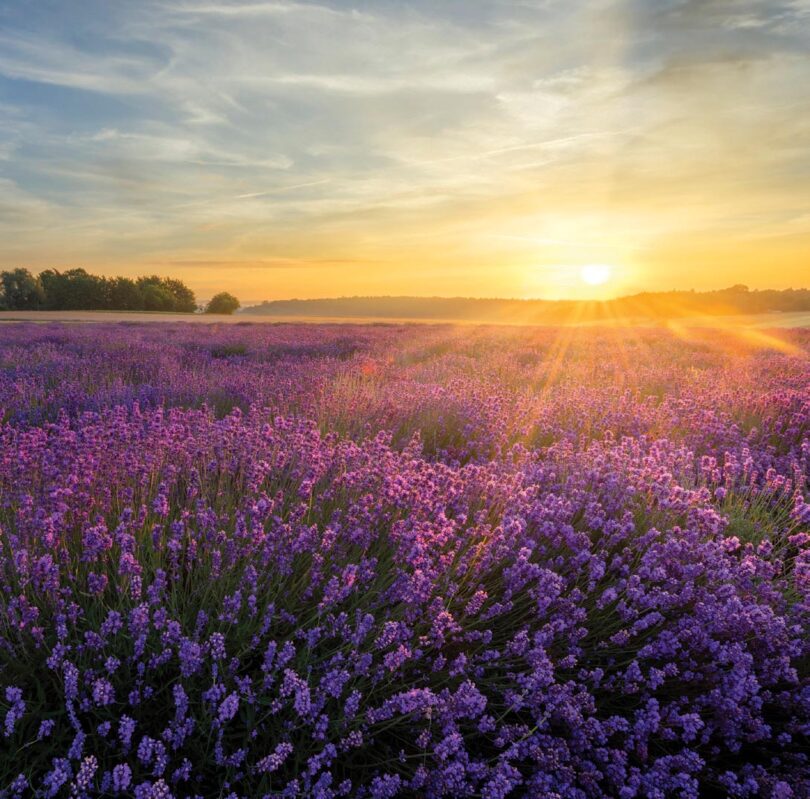

MICRO-GETAWAYS IN LAMBTON AND MIDDLESEX COUNTIES
The desire to get away doesn’t always arrive with the luxury of time. Sometimes it slips in quietly with midweek restlessness, or on a Saturday morning with a need for something slower than the rhythm of everyday life. It is during these times that we sometimes forget how much there is just beyond our doorstep.
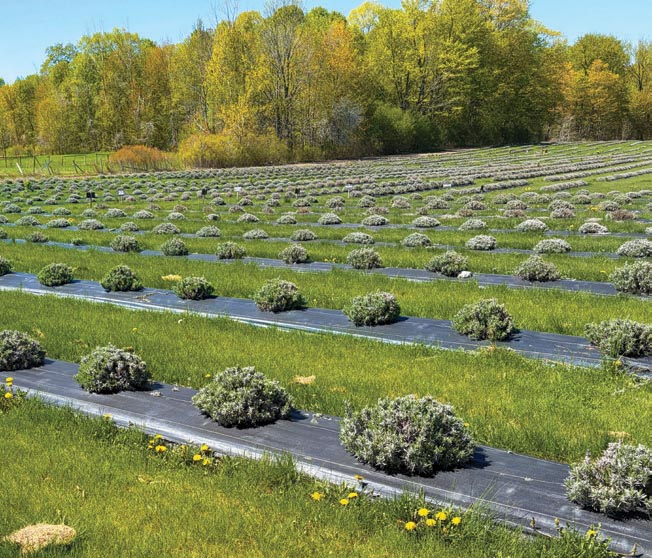
Earlier this season, the Little Brown Farm lavender fields were just outside Arva.
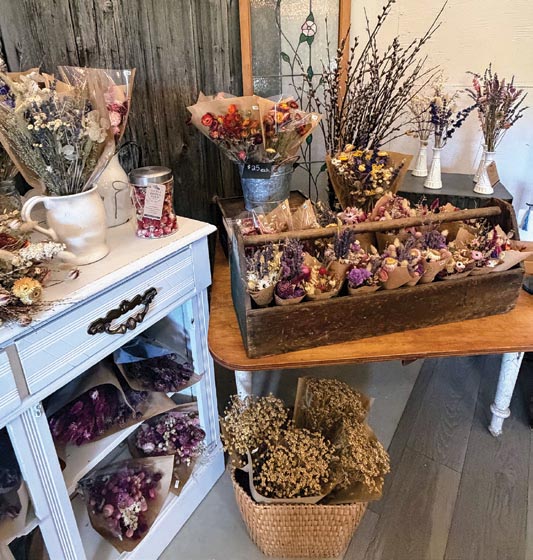
Bouquets and arrangements in the “everything lavender” shop at Little Brown Farm
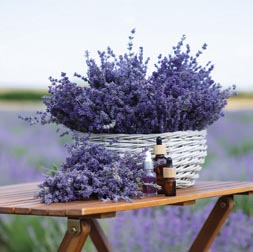
Fresh lavender and essential oils
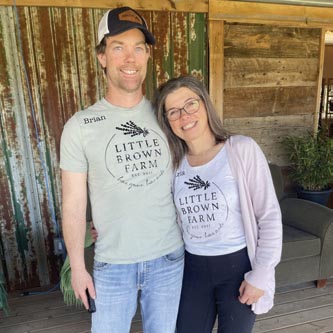
Little Brown Farm proprietors Brian and Ania Brown
In the rural stretches of Middlesex County and Lambton County, the idea of travel takes on a different meaning. Here, a journey doesn’t demand a packed itinerary or a full week away. It can be as simple as choosing one or two destinations, following a quiet road, and allowing the day to unfold at its own pace. This is travel reduced to its essentials: place, people and presence.
There’s a particular satisfaction in discovering that a meaningful escape doesn’t require distance. Within an hour or two, the landscape changes, subdivisions give way to open skies, roadside stands replace chain stores, and the pace of life noticeably relaxes. In the rural communities of Middlesex County and Lambton County, experiences are intimate. We came upon farms that invite you to linger. There are breweries where we can share stories as readily as the drinks. And historic spaces speak of long-standing traditions. You don’t need more than that.
Fields of Calm
The day begins just outside Arva, where light spills over rows of lavender at the Little Brown Farm, a family-run operation at 22007 Wonderland Road North owned by Ania and Brian Brown and their two sons. What greets you first isn’t just the vibrant colour, but the carefully designed lavender labyrinth, Ania’s creation, planted with intention and shaped by years of self-taught dedication. A nurse by profession and a flower grower by passion, she began tending this land after the family moved here in 2009, initially running a small roadside CSA with her family. Years later, inspired during the quiet reflection of the pandemic, the family turned fully toward lavender, planting 1,600 plants in 2021 and watching, as they describe it, “the magic unfold,” before expanding significantly in 2024 with an additional 5,000 plants across five acres.
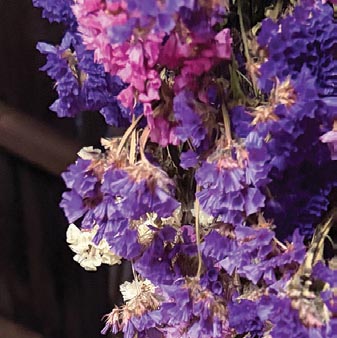
In the rural stretches of Middlesex County and Lambton County, the idea of travel takes on a different meaning.
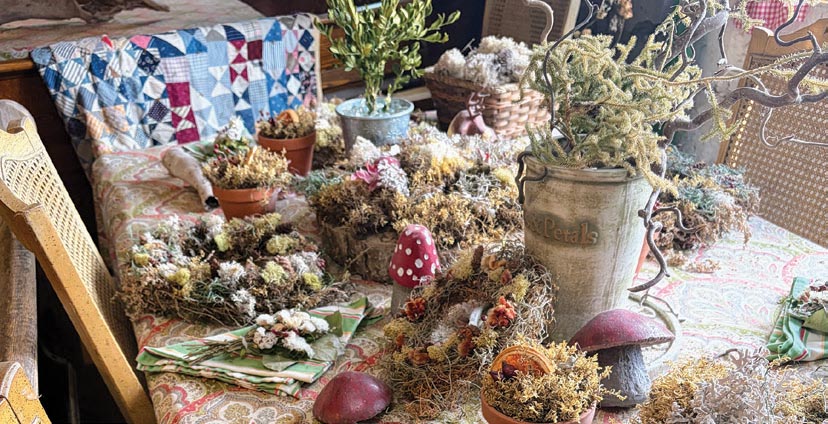
A handcrafted arrangement and an assortment of dried flowers at Forest Glen Herb Farm in Lambton Shores.
Walking among the blooms is a fully immersive sensory experience, with soft purples stretching across the landscape, the hum of bees, and the warmth of the sun just lifting into the sky. But what defines the farm is not just what you see or smell, it’s what you feel. Guests often arrive and are unexpectedly moved; the setting, as Ania describes, stirs memory so deeply that “I literally have people crying when they arrive.”
There is no rush here. Visitors drift slowly through the fields, pausing in the shop to explore fresh and dried flowers, handcrafted arrangements, essential oils, soaps and even culinary lavender, or to take part in a workshop. It’s less about “doing” and more about simply being present — an experience rooted in care, intention and the quiet joy of someone truly doing what they love.
Further west, in Lambton County and about a half-hour north of Sarnia, the quiet deepens at Forest Glen Herb Farm. Owned and operated for more than 44 years by Cynthia Cook, the farm carries a sense of continuity that feels both rare and grounding. The transition from lavender fields to this space is subtle but distinct: open expanses give way to tucked-away gardens, and the landscape shifts to something earthier and more textured.
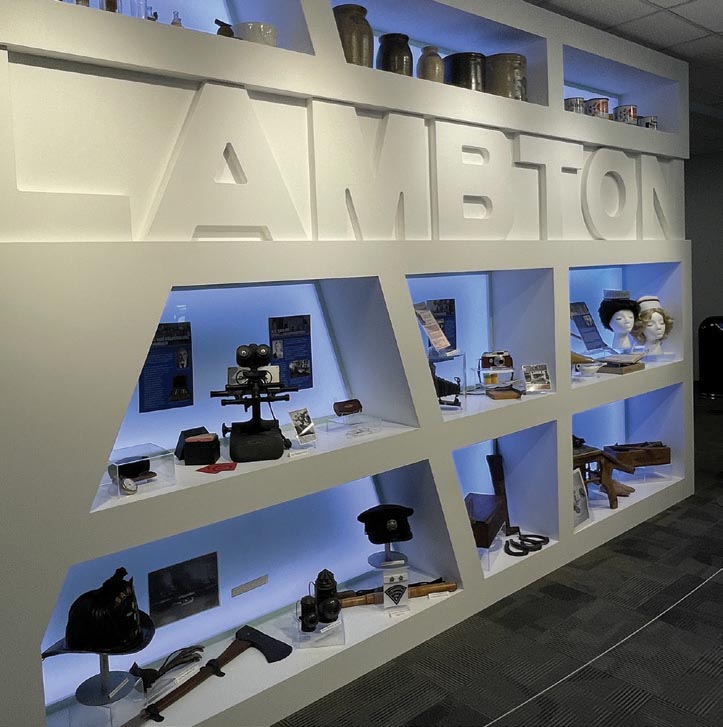
LAMBTON HERITAGE MUSEUM offers an accessible and affordable stop for both individuals and families looking to deepen their connection to the region.
Here, herbs are grown biodynamically and organically, without sprays, a reflection of Cook’s long-standing commitment to working in rhythm with the land. The experience is immersive in a different way, less sweeping, more intimate.
At the heart of the farm is a 160-year-old barn, restored into a rustic retail space. Inside, shelves are lined with dried flowers, fragrant and culinary herbs, and a wide range of products made on-site. It’s a place that invites slow browsing and quiet discovery. Beyond the shop, the farm also serves as a learning space, with workshops and classes offered regularly, continuing a tradition of sharing knowledge alongside harvest.
A short drive along Highway 21, between Forest Glen Herb Farm and Grand Bend, brings you to the Lambton Heritage Museum, located at 10035 Museum Road across from The Pinery Provincial Park entrance. Open Wednesday through Sunday, it offers an accessible and affordable stop for both individuals and families looking to deepen their connection to the region.

DELAWARE SPEEDWAY The track comes alive each week as stock car engines roar across the asphalt, and crowds gather for something that feels as much about community as competition. Open-wheel modified cars. Photo courtesy Delaware Speedway.
Inside, the museum preserves and interprets the history of Lambton County through thoughtfully curated exhibits. The Bluewaterland exhibition features artifacts, photographs and compelling stories that bring the area’s past to life, including accounts of Lake Huron’s most notable shipwrecks and the era of rumrunning along the shoreline. In the Lambton Gallery, visitors are guided through a thematic exploration of the county’s evolution, centred on the idea of a changing community — a narrative that reflects both resilience and adaptation over time.
It’s a meaningful pause in the journey, offering context and insight into the histories that continue to shape the landscape beyond its fields, farms, and shoreline.
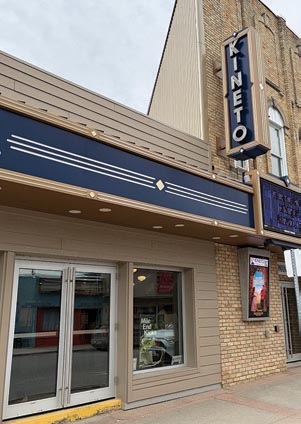
The Kineto Theatre is one of the oldest independently run movie theatres in the world.
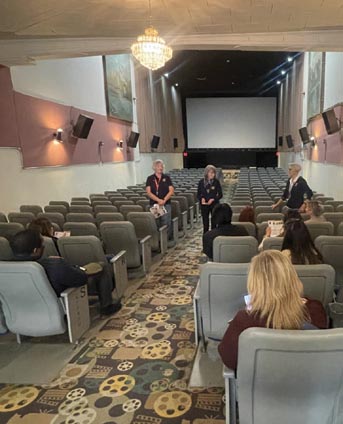
The Kineto Theatre screen and stage
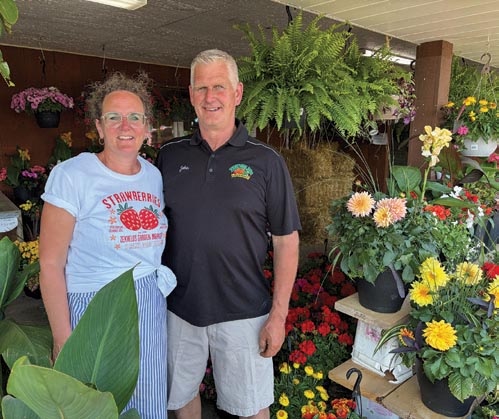
Maxine and John Zekveld have owned and operated Zekveld’s Garden Market for 25 years.
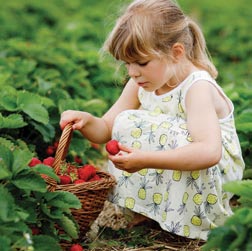
Zekveld’s offers a wide variety of pick-your-own fruits throughout the various growing seasons.
Where Adrenaline Meets Main Street
Rural life, of course, isn’t only stillness. It can just as easily pulse with energy as it does at Delaware Speedway, one of the oldest continuously operating tracks in Canada, located just minutes west of London at 1640 Gideon Drive in Delaware. The track comes alive each week as stock car engines roar across the asphalt, and crowds gather for something that feels as much about community as competition.
On Friday nights from May through September, over 1,500 spectators fill the stands, drawn by the excitement of weekly racing in a setting that remains distinctly family-friendly. Saturdays bring a handful of special events throughout the season, each adding its own rhythm to the calendar. Longtime racer D.J. Kennington, who competed at Daytona in 2017 and 2018, captures it simply: “People who come here keep coming here.” That loyalty speaks to something deeper than the race itself.
There’s an accessibility to the experience that makes it uniquely rural. Events like the “King of the Hill” invite everyday fans onto the track, transforming spectators into participants. In this crowd-favourite, drivers line up in their own street-legal vehicles to compete in bracket-style, one-on-one elimination drag races, blurring the line between audience and action in a way that feels both thrilling and grounded.
It’s a reminder that in small towns, energy gathers around shared moments like these — loud, lively and deeply rooted in tradition, where the sense of belonging is just as powerful as the race itself.
Stories Preserved, Meals Shared
In the village of Forest, the Kineto Theatre remains a steady presence with deep historical roots.
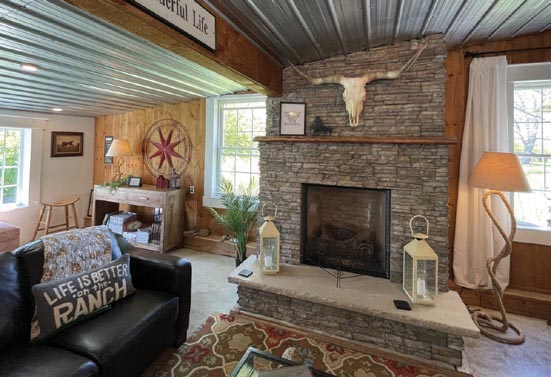
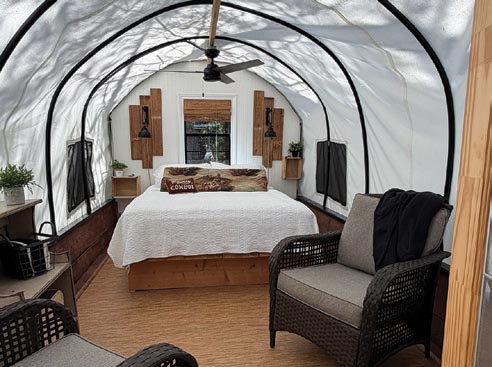
TEXAS LONGHORN RANCH offers rustic charm and “glamping” accommodations in custom-built covered wagons.
Owned and operated by the Kiwanis service club since 1977, the Kineto stands as one of the oldest independently run movie theatres in the world. With a current seating capacity of 220, the Kineto first began showing films in 1917 and continues to this day, balancing screenings of current releases with live concerts that keep its stage active and relevant.
Not far away, the focus shifts from history to harvest at Zekveld’s Garden Market, located just half a kilometre from Reeces Corners on the London Line in Lambton County. Owned and operated by Maxine and John Zekveld for 25 years, the market is rooted in a working farm that spans 110 acres, including 20 acres of orchards. Here, the connection between land and table is immediate and unmistakable, with rows of hand-picked produce that is vibrant and seasonal.
The experience extends beyond the farm stand. Expansive u-pick fields invite visitors to gather their own strawberries, raspberries, pears, pumpkins, and more than 15 varieties of apples throughout the growing seasons. Inside, a small selection of bakery items offers freshly made goods alongside homemade preserves, adding another layer to the sense of place.
As the Zekvelds often note, the market has a way of drawing visitors out from the city and into the countryside. It’s a place that encourages lingering, browsing, conversation and the kind of spontaneous discoveries that come from simply taking your time.
Unexpected Encounters and Quiet Discoveries
Some rural experiences surprise you, like the wide-open pastures of the Texas Longhorn Ranch, a working farm located in Middlesex County at 1745 Melwood Drive near Strathroy. Set across 220 acres, the ranch has been in operation for more than 40 years, its current form evolving from an earlier chapter as the Western Kid’s Camp into something quieter and more refined.
The ranch centres on its iconic longhorn cattle. Since 2010, owners Gail and Fred Cahill have shaped the property into an adult-only retreat, offering a unique kind of rural escape through “glamping” experiences in six private, custom-built covered wagons and an accessible cabin.
Open from late May through September, the ranch invites guests to stay for one or two nights, with amenities that balance comfort and simplicity, including a sprawling 130,000-gallon swimming pool. Yet, what defines the experience most is what’s intentionally minimized. As the Cahills describe it, this is “a quiet place, a place to get recharged.” With limited Wi-Fi, the space encourages a deeper kind of disconnection, one where the pace slows, the landscape takes over, and the distance from everyday life feels much greater than the map suggests.
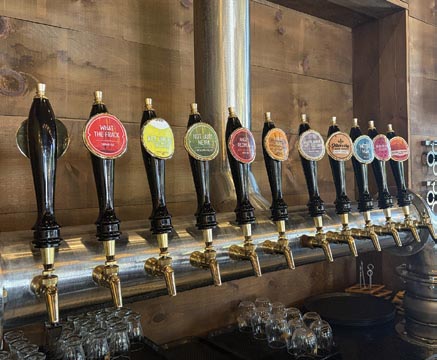
Crafted on site, Black Gold Brewery gives a nod to Petrolia’s history with a wide variety of beers on tap.
From there, the road leads toward Petrolia, where history runs deep beneath the surface and lingers in the town’s distinctive Victorian oil-era atmosphere. At Black Gold Brewery, that heritage is not just remembered, it’s reimagined. Housed in a former mechanic’s shop, the space carries an industrial edge, with details like lights crafted from repurposed oil cans reinforcing its connection to place and past.
Conceived by Brent Gauthier, his wife Nicole, and their partners, the brewery grew out of Brent’s passion for home brewing and has evolved into a lively community hub where all beer is crafted on site. The namesake brew, Black Gold, a silky, smoky porter and Ontario Beer Festival gold medal winner, delivers layered notes of dark chocolate, toffee and roasted malts, a fitting tribute to the region’s origins. Other offerings playfully echo the language of the oil industry, with names like Liquid Gold, What the Frack, and Derrick adding a sense of character and storytelling to the menu.
But the experience extends well beyond the glass. The brewery pulses with energy, hosting live entertainment, trivia nights and karaoke, all building toward its annual end-of-season celebration, a massive street party to be held on August 29th that shuts down the block for music, food and family-oriented fun.
The day trip finds its natural and delicious conclusion at The Cast Iron Kitchen, located at 4383 London Line in Plympton-Wyoming (Reeces Corners). Here, local ingredients are transformed into refined, comforting dishes that feel both thoughtful and satisfying, an experience that reflects the places we’ve just explored.
Chef Marc Piquette offers elevated comfort food in an intimate and highly curated private setting, with service and plating unfolding inside a charmingly repurposed grain bin on the property. True to the restaurant’s name, much of the cooking is done in cast iron, a choice that lends depth, consistency and a subtle rustic character to each dish. The experience is intentionally small and tailored. Guests must book a table of six to 10 people — and be warned, it sells out well in advance!
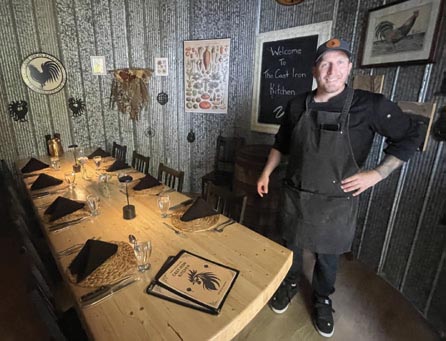
Chef Marc Piquette with the dinner table set in the grain bin at The Cast Iron Kitchen
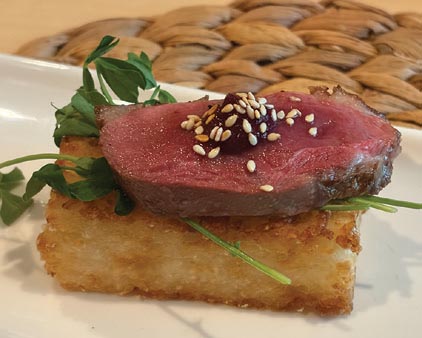
An appetizer of crispy rice topped with Jack Pine Meadows duck breast and mulberry compote
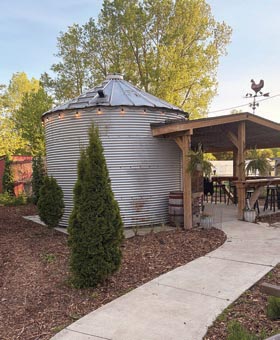
The unassuming rustic grain bin proves a perfect setting for small group dinners.
Each meal begins well before you arrive, with the chef reaching out to understand preferences and shape a menu that feels specific to the group. The result is a dining experience that unfolds with both precision and warmth. For our group, it began with bright, refreshing Thai chicken fresh rolls paired with a honey, soy and ginger dipping sauce, an opening that felt both vibrant and balanced. A standout appetizer followed: crispy rice with Jack Pine Meadows duck breast and mulberry compote, where golden, nutty crunch met rich, tender meat and a subtle sweetness.
The main course, a 28-hour sous vide eye of round, was exceptionally tender, delivering a melt-in-the-mouth texture that spoke to time and technique. A mint chimichurri added a fresh, herbal lift, while heirloom carrots and carefully layered potato pavé completed the plate with earthy depth and buttery richness. Dessert, a strawberry shortcake with strawberry reduction, brought the meal to a close with a light, elegant finish, the airy cake and ripe berries capturing the essence of the season.
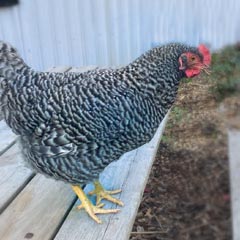
Sometimes it is simply about seeing what is already there – with fresh attention.
Conclusion: The Art of Slowing Down
In Middlesex County and Lambton County, the value of travel is found not in how far you go, but in how intentionally you move through a place. A morning in a lavender field, an afternoon at a racetrack, a conversation in a market, or a shared meal around a table. There is a quiet clarity in choosing less: fewer stops, less planning, shorter distances. It allows space for discovery, for conversation, for the small unexpected details that tend to define a trip long after it’s over.
And perhaps that is the real takeaway. Getting away does not have to mean leaving everything behind. Sometimes it is simply about seeing what is already there — with fresh attention, an open schedule and a willingness to slow down. One or two stops are enough.
Travel hospitality was gratefully accepted from Tourism Sarnia-Lambton, Visit Middlesex County, and Black Gold Brewery. None of these organizations or businesses has reviewed or approved this story.
BRUCE FYFE is a researcher, writer and retired librarian who enjoys spending his spare time exploring the back roads.