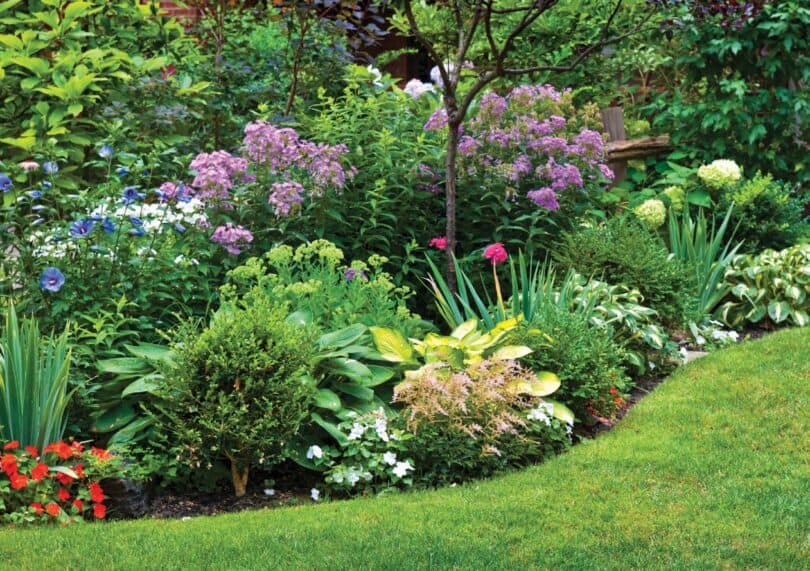
What’s new and why more people are returning to nature.
Gardens have always been oases, places to escape the clutter and commotion of the world, pockets of peace. We plant flowers to herald the spring following our cold, dark winters. We feel connected to the earth and our place in it as we pat down the damp soil around our colourful blooms. Pulling weeds has been a cathartic experience for generations as we make way for new growth.
It’s no wonder so many people are finding ways to create gardens in whatever space they can find. From containers to ditches to community plots, residents are taking steps to engage in horticulture.
The post-pandemic era has ushered in an experience-driven, simpler lifestyle. Lynne Kring, the interim general manager at Parkway Garden Centre, says this has triggered a “massive surge” in gardening enthusiasts and the eco-conscious, especially among younger people who are exploring the landscape in different ways. “They want organic, and they’re more environmentally aware.”
Pollinator gardens are on trend. With plants like Milkweed and Cardinal flowers, both native species.
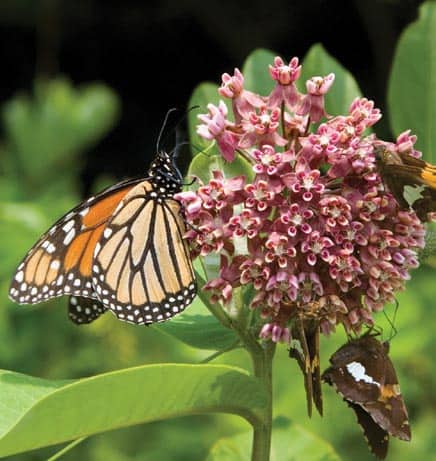
Milkweed
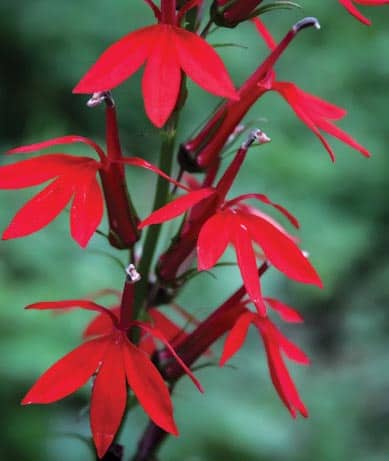
Cardinal flower
There has also been a huge interest in native plants, Kring says, and a recent trend known as chaos gardening. “You take handfuls of seeds, such as wildflowers, and throw them in your garden and see what comes up,” she says. “It can be wildly messy… but it’s beautiful when they bloom. It’s a very naturalized way to garden.” She says vegetable gardens are also booming. Seed racks arrive at Parkway in January, and sales begin almost immediately with folks wanting to start the growing season indoors and then transfer plants outside in the spring.
Parkway has a large assortment of ceramic pottery for container gardening. Kring suggests putting a plastic pot inside the containers, which need to drain, and using the proper soil for your plants. Take the time to talk to gardening experts to ensure you have the correct product for your environment, she says.
Anne Masse, the retail manager at Westland Greenhouses in Grand Bend, has also noticed the public’s conscious effort to grow vegetables in pockets of space. With that in mind, greenhouses have added offerings for small-scale gardening, such as the Tiny Tim tomato, which can be grown in a pot. She says start easy and go slow. If sowing seeds, Masse stresses the importance of following the instructions on the packages.
The post-pandemic era has ushered in an experience-driven, simpler lifestyle.
LYNNE KRING Parkway Garden Centre
Kate Intven-Holt, the garden centre supervisor at Canadale Nurseries in St. Thomas, says this year’s gardening trends are all about working smarter and more sustainably. “We’re seeing growing interest in blending beauty with function by incorporating edibles into ornamental spaces — especially in smaller gardens and containers,” she says. “Versatile, high-performing plant varieties make it easier than ever to garden in any space,” Intven-Holt says resource-efficient gardeners are interested in soil health, water-wise practices and selecting resilient, pollinator-friendly plants.
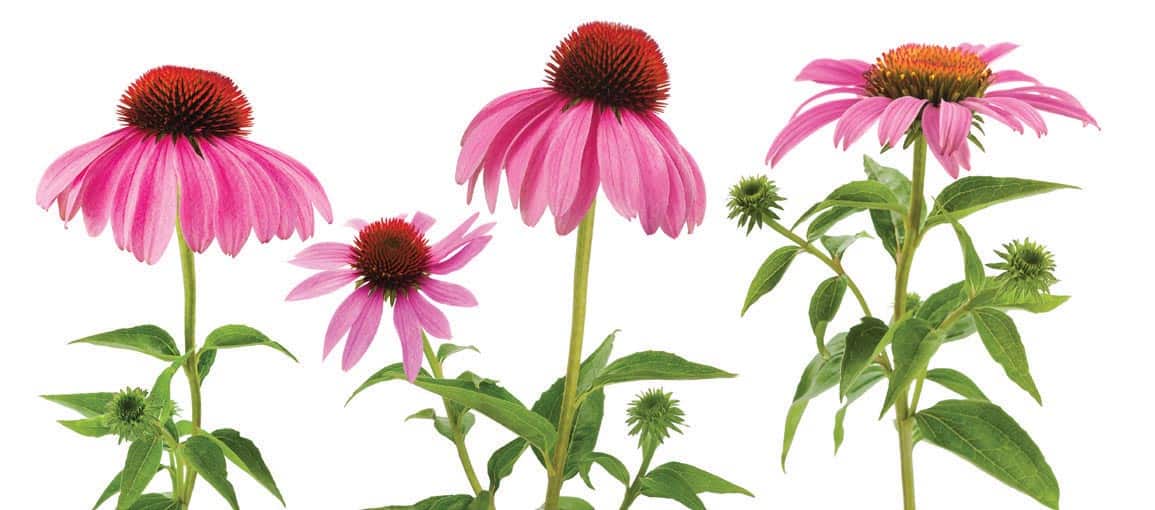
Purple Coneflower. The post-pandemic era has ushered in an experience-driven, simpler lifestyle.
Masse agrees that pollinator gardens are definitely on the upswing. “People want to keep our ecosystem thriving — feeding the butterflies and the bees,” Masse recommends using a mix of annual and perennial flowers to attract them. “You’ll have flowering in the spring and right till the end of September or October.”
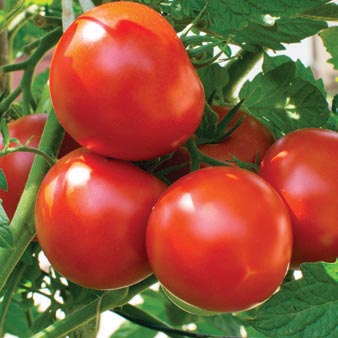
Tomatoes
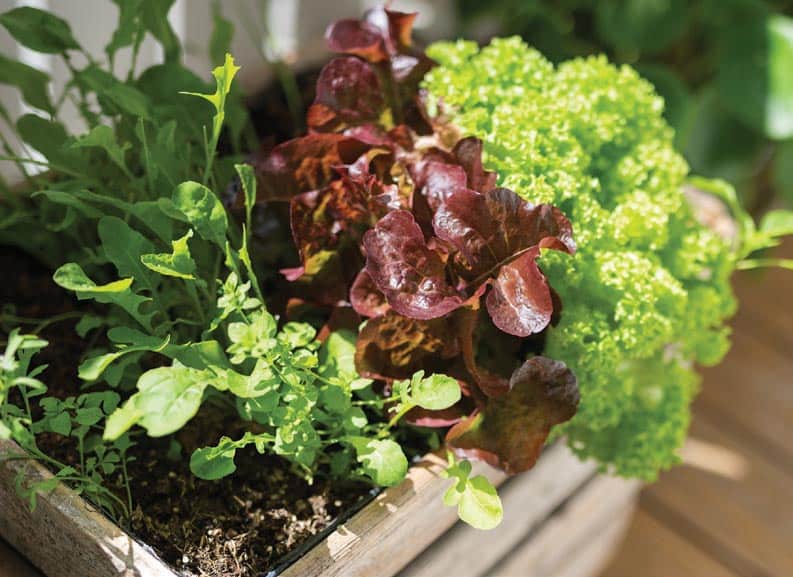
Lettuce
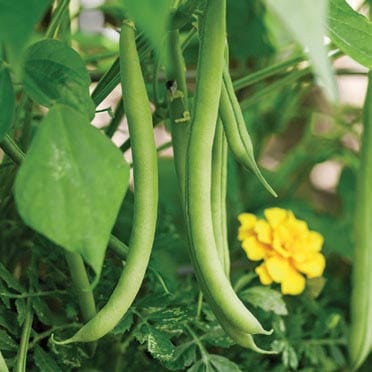
Green Beans
She says gardeners are getting innovative in creating a pollinator paradise, even along roadsides. “A lot of people are using ditches as it helps with erosion control, too.” Ageratum Monarch Magic is a popular pollinator attractor, Masse says. “My mom had one in her backyard last summer, and there were honestly always 20 monarchs around it. They love that one. It’s an exciting new plant in the gardening world.” Milkweed, which has gone from despised to prized in people’s gardens, is also a wise choice to attract butterflies, she says.
To make it easier to start a pollinator garden, Westland Greenhouses has scatter cans. Just shake them up, spread and let nature do the rest. They have up to 30 or 40 different varieties of flowers, she says. “Buying a mix is great… because then you can attract and feed as many pollinators as possible,” Masse recommends waiting to spread the seeds until the end of May to ensure it is warm enough for them to start germinating. She says sowing seeds right before a gentle rain is also a good practice.
Kring says nostalgia often comes into play when choosing flowers to plant. “Some people say, ‘Oh my grandmother had one of these plants, and I loved it.’” Some customers are also choosing to grow flowers that they can cut and put into a vase, she says. There’s also nostalgia around canning. “A couple of generations have missed out on the experience of canning what’s been grown. Going back to the old way is kind of nice to see,” she says. Of course, the high cost of groceries is also a factor in growing your own food and canning it for the winter. “Sales of vegetable plants have increased exponentially,” Kring says.
At Westland, Masse is seeing a lot of families who want to plant their own vegetables to ensure their food is safe and pesticide-free. “They want to have that control. They also think it’s important to teach kids where their food comes from. It’s also rewarding for them to do this together.” She says some families are also growing their own herbs, such as rosemary, and using them for homemade bread.
At Westland, Masse is seeing a lot of families who want to plant their own vegetables to ensure their food is safe and pesticide free.
Kring mentions community gardens as another great option to explore if growing at home is not a possibility. In London, there are more than 20 community gardens on public land, and that number will increase. The City is working with Indigenous partners to foster stewardship and promote local history at the community spaces. Many area municipalities also have community and school gardens.
In St. Thomas, there are a couple of well established ones — the First Avenue and the Kains Street Community Gardens. “They’ve definitely grown in popularity. They’re great resources for the community, although space can be limited and plots tend to fill up quickly,” says Intven-Holt.
Canadale has a handy tool on the company website to help choose plants that will thrive wherever you plan to grow. You can factor in your soil, plant height, sun, colour, spread and more. “Our Plant Finder has become a really valuable resource for customers. We do see a lot of people using it, especially for planning and researching before they visit the garden centre,” says Intven-Holt. She says it helps gardeners get inspired, but notes that it is an informational database and not a live inventory. “We always encourage customers to contact us directly to confirm what’s currently in stock. We’re looking forward to another year filled with beautiful plants and inspiration for every kind of gardener.”
Masse hopes people will enjoy gardening rather than fretting about doing something wrong. “I find a lot of people get so worked up about the timelines and when to plant and when to harvest. Pick just five (plants) and just start,” she suggests. “It’s incredible what you will learn in a year. Even my five-year-old can grow a cucumber now. Just go for it and get your hands dirty. What works for your aunt may not work for you.” Experiment and have fun, she says.
Just go for it and get your hands dirty.
Kring says experts enjoy sharing their wisdom with the public, whether you’re trying something new or starting a garden for the first time. At Parkway, many staff members have years of experience. “We want you to succeed,” she says. Be sure to check out Parkway’s social media accounts for gardening tips throughout the growing season. If you are itching to get into your garden now, be prepared to cover plants at night, or bring in containers until the frost risk is over, Kring says. “As much as we want it to be warm right away, we have to be patient, especially this year. It’s been a long winter.”
PLANT SUGGESTIONS and tips for your garden from the pros
VEGETABLES
Green Beans — They are easy to grow, germinate quickly, grow vigorously and are productive, even in smaller spaces.
Tomatoes — Purchase a good container, ensure lots of sun, use fertilizer, and support with a cage
Lettuce — Ensure ample sunlight, but during the hot midday sun, protect plants. Use diatomaceous earth, a non-toxic powder to discourage insects.
ANNUAL FLOWERS
Angelonia (Summer Snapdragon) — Easy to grow, flowers all summer, and attracts pollinators. (Also grown as a perennial in some climates.)
Fuchsia — Fast growing with lots of flowers, and hummingbirds and other pollinators love them. (The shape of the blossom and a hummingbird’s bill have co-evolved.)
Marigolds — Hardy, tolerate a wide range of conditions, and require little care.
NATIVE PERENNIAL FLOWERS
Asclepias (Milkweed) — Butterfly attractor
Hirta (Black-Eyed Susan) — Easy to grow and resilient
Echinacea purpurea (Purple Coneflower) — Robust, drought tolerant