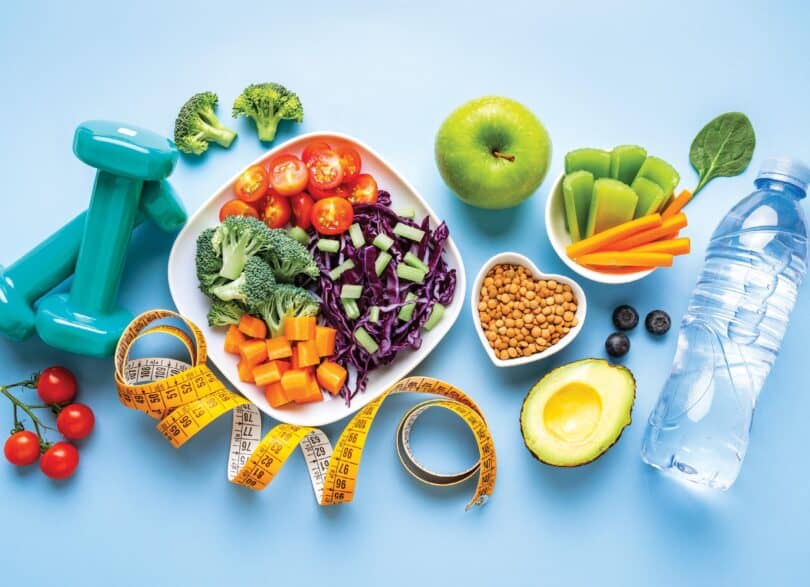
Oh, the pressure a new year can bring. We tell ourselves it’s a fresh slate, an opportunity to change things about ourselves that displease us. There are the big five: lose weight, get fit, drink less alcohol, quit smoking and prioritize sleep. We’re definitely going to do it this time. January first is the first day of the rest of our lives.
But there’s a reason why the second Friday in January has been nicknamed Quitter’s Day. About one quarter of new resolutions fail around this point, and all but one in ten will peter out within a month. Over the years, I have personally quit every gym you can name as soon as the shine dulled on my new training shoes.
So, what’s going on? We genuinely want to make these changes, and we’re infused with energy and determination at the start. However, between day one and the day we give up, several factors get in the way of a successful transformation.
I’LL DRINK TO THAT
Dry January couldn’t come at a better time after the indulgences of the holiday season. Although you’re meant to abstain from alcohol for the month, it’s also about kick-starting a new long-term relationship with booze.
We tend to think of alcohol as fairly safe as long as we don’t overindulge. After all, it was always legal at a time when other substances were not. London Public Health Nurse, Melissa Knowler, educates people about the toll that even social drinking can take on their health.
“The biggest part is understanding that alcohol is not a benign substance. It does have risks. And then knowing about standard drinks and guidance that helps us with these risk zones.”
Knowler points out that everything in life has some risk, and the Middlesex London Health Unit isn’t trying to scare people off drinking altogether.
“There are very visible warning signs on tobacco,” says Knowler. “We’re not quite there yet with alcohol, so we’re trying to educate.”
What’s considered a standard drink size is a bit of an eye-opener. And no, using a bigger wine glass doesn’t count. Alcohol also has more of a detrimental effect on women because of our physiological makeup. I learned that and more at RethinkYourDrinking.ca.
Despite all we know about the dangers of smoking, approximately 12% of adults (mostly young adults) still smoke or vape. The Canadian Cancer Society’s website, Smoker’s Helpline, is well worth visiting if you’re ready to give it up. It offers coaching, resources, and even trial packs of nicotine replacement therapies. No question quitting is difficult, and a helping hand, or chew, can increase the chance of success.
HITTING THE GYM AND THE GYM HITS BACK
Influencers all over social media tell us we’re simply not trying hard enough to achieve what many of them won in the DNA lottery. We’re not all meant to have rock-hard abs, but that won’t stop many of us from going all out in pursuit of them at the start of the year.
It’s easy to blame social media, but body-image pressure has been around long before Instagram and TikTok. Back in human cave-dwelling days, there was probably one person per clan with a flat belly, while the others happily packed on fat layers to survive harsh winters. If Gnoob hadn’t invented fire, the skinny one would have shivered to death.
One reason we fail before even getting just one rock-hard ab is that we take on too much too soon and for the wrong reasons. The quick-fix diet or exercise plan seems too good to be true because it usually is. Dr. Albert Malkin, Assistant Professor of Education at Western, says a lifestyle change needs to align with our values if it’s going to stick.
“A high level of fitness takes many, many years,” explains Dr. Malkin. “You have to control every part of your life. It’s really intense. Instead of the unattainable thing, move toward the goal that gets you where you want to go, like playing with your kids or being a bit healthier.”
ONE BITE AT A TIME
Dr. Malkin, who is also a Board-certified Behaviour Analyst, advises choosing “smaller sooner” rather than “larger later” rewards when it comes to goal setting. Select the attributes of the person you want to be and take steps in that direction – literally. A daily walk to stay mobile as you age might be enough.
“You can ask yourself questions about what’s important to you and care for yourself in multiple ways. Physical self-care, psychological and emotional well-being and grounding yourself, the way that you see the world.”
But he also says we can do hard things, even when we think we can’t. For some, that’s keeping a regular schedule at the gym even on an off day. It’s all in the way we look at it.
“Thoughts come up like, ‘not today, this is going to be too hard’,” Dr. Malkin acknowledges. “The way you choose to respond to it is obviously pretty important. Treating those thoughts as thoughts, they’re going to keep coming up. Or you can say, I’m having the thought that I’m tired, but I’m going to the gym anyway. The reason that you’re doing it is so that you can live a long, healthy life and enjoy yourself.”
SLEEP ON IT
If you truly are tired, prioritizing better sleep might be part of your plan. You’ve likely heard about good sleep hygiene: making sure your room is dark and not too cold or hot, going to bed at the same time every night and avoiding screens (phones and TV) for ninety minutes before shutting down for the night.
Sleep experts in the city conduct regular free webinars called Dream On. (https://thamesvalleyfht.ca/program-registration/dream-on-cbt-for-insomnia/) At a recent session, I learned that the story you tell yourself about your sleep makes a big difference.
We lie awake watching the clock, worrying about how many hours or minutes of sleep we will get before morning. But the body will note that you had poor sleep and make up for it the next night. The amount of sleep isn’t as important as the quality of sleep you get.
In other words, doing late-night sleep math is often just a waste of time (however, sleep apnea and other medical conditions should still be ruled out via testing).
THE WONDER DRUG ARRIVES
Many of us have dreamed our whole lives about a magic weight loss pill. Now that semaglutides are here, they’re disrupting the multi-billion-dollar weight loss industry and altering our resolutions to fit into those old jeans. But these medications have come at a cost that’s been out of reach for many consumers.

THE BIG FIVE: lose weight, get fit, drink less alcohol, quit smoking and prioritize sleep.
However, late last year, the makers of Wegovy and Ozempic lowered their prices in response to pressure from the US administration. The monthly charge for these injections had been north of $1000 and was not always covered by insurance unless prescribed for Type 2 diabetes or severe obesity with additional health complications. However, even a reduced price of $400 per month is still too steep for many who want it. An exception is Canadians over age 65, for whom medication costs are covered.
This year, though, the manufacturers’ patents on these medications run out. Generic versions are coming that will undoubtedly cost less than the originals, making the magic pill an option for many more people who want it. And making the fresh start of a new year happen any time they choose.
SLOW AND STEADY WINS THE RACE
If a resolution is going to stick, it needs to be realistic enough to be attainable and move us closer to our best selves. One New Year I vowed I’d never eat another baked good as long as I lived. I’m here to tell you that life offers you the occasional cookie so you may as well enjoy one here and there. That’s what my best self wants me to do.
LISA BRANDT is a freelance writer, voice-over professional, podcaster and author of five books. You can find her at voiceoflisabrandt.com. She lives in Port Stanley with her husband and their supervisor, a senior cat named Cuddles.